Blog
Practical articles on mixing: what to listen for, where things go in the chain and how much to do, with the VEIRA plugin that does each job.
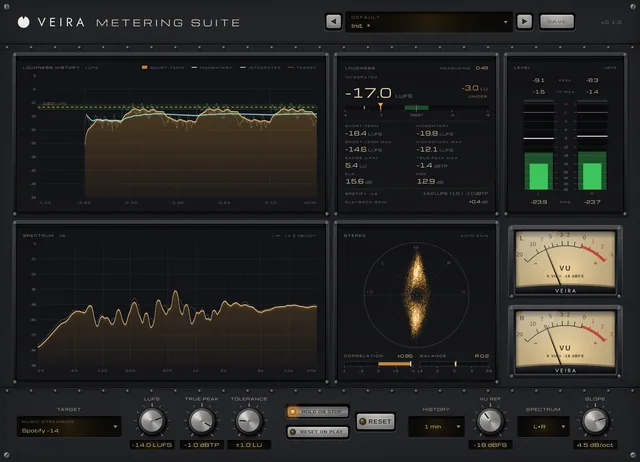 Preparing a mix session: organizing, gain staging and tuning checksHow to set up a session before you mix: organize and label the tracks, bring every track to a sensible level, choose and level-match references, pick a monitoring level, and check the instruments were in tune.Read the article →
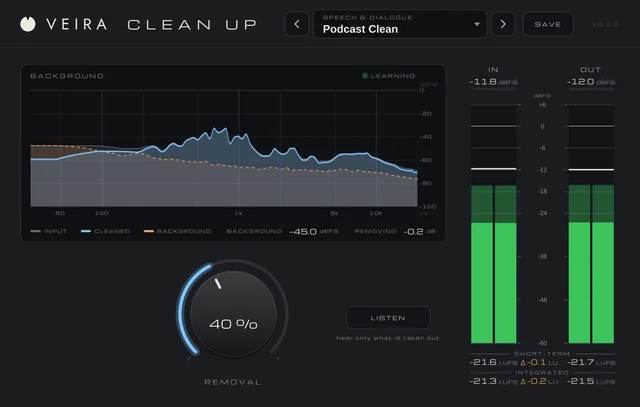 Cleaning up tracks before mixing: noise, hum, clicks and drum bleedHow to take hiss, hum and room tone out of your recordings, fix clicks with edits and fades, control the bleed between drum microphones, and when to edit silences instead of processing.Read the article →
- The static mix: building a balance with faders and panningHow to build a first balance with only faders and pan knobs: which element to start from, the order to bring the rest in, how much headroom to leave on the mix bus, where to pan, and how to check it all in mono.Read the article →
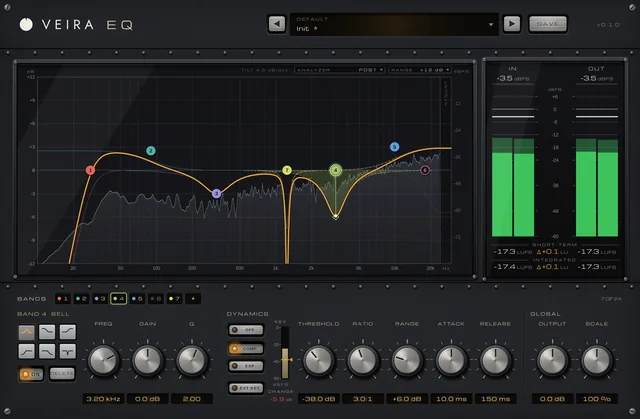 EQ to make room in a mix: high-pass filters, cuts and maskingHow to use EQ to make space for every instrument: where to set high-pass filters, why to cut before you boost, how to find and fix masking between parts, and when broad tonal moves work best.Read the article →
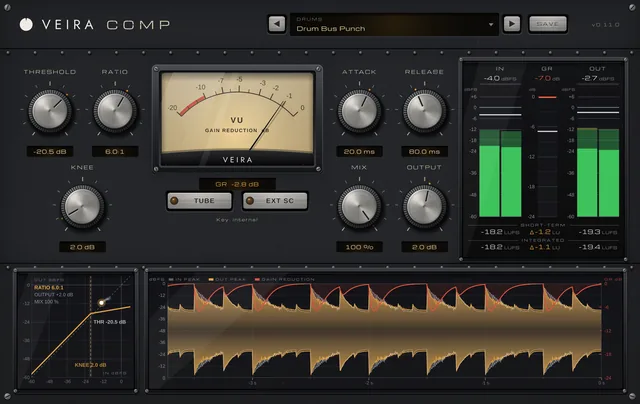 Compression basics for mixing: threshold, ratio, attack and releaseWhat each compressor control does, how much gain reduction a track needs, where to start attack and release, and why you should always judge compression at matched loudness.Read the article →
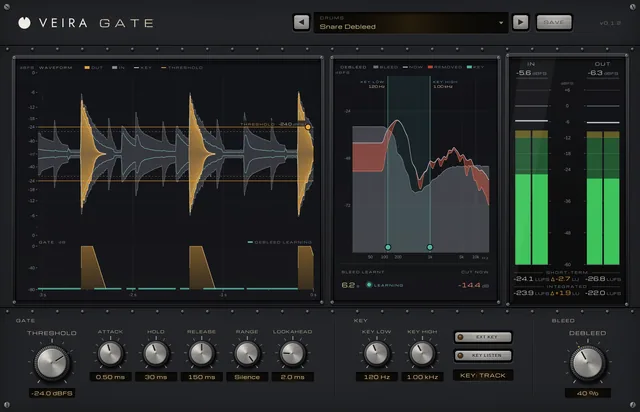 Mixing kick and snare: gating, punchy compression and EQHow to gate the bleed out of kick, snare and toms, compress them for punch, and EQ the kick’s weight and click and the snare’s body and crack, with starting settings for each.Read the article →
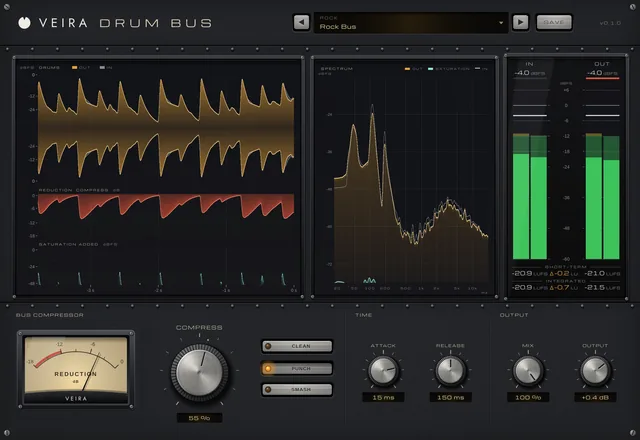 The drum bus and parallel compression: gluing the kit togetherHow to balance the close mics, overheads and room on a drum bus, glue the kit with bus compression, and add parallel compression for dense drums that still hit hard.Read the article →
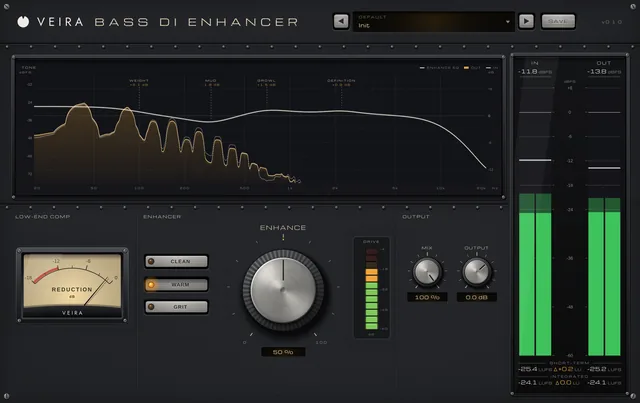 Mixing bass and kick together: an even, clear low endHow to decide whether the kick or the bass owns the lowest notes, turn a DI bass into a finished tone, even out the low end, make the bass carry on small speakers and ride its level through the song.Read the article →
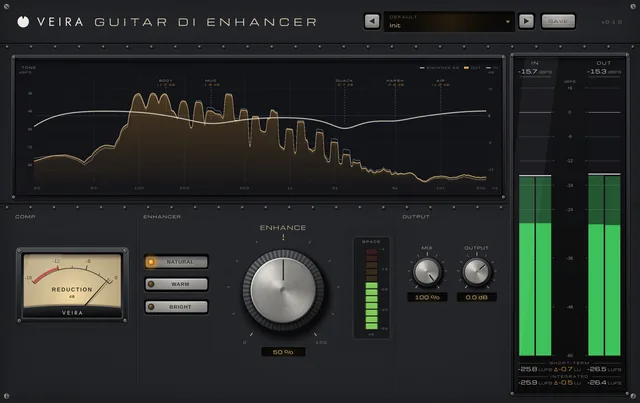 Mixing guitars and keys: tone, colour and width around the vocalHow to turn an acoustic DI into a finished guitar, EQ electric guitars and keys so they stop masking each other, and add drive and modulation for colour and width while leaving room for the vocal.Read the article →
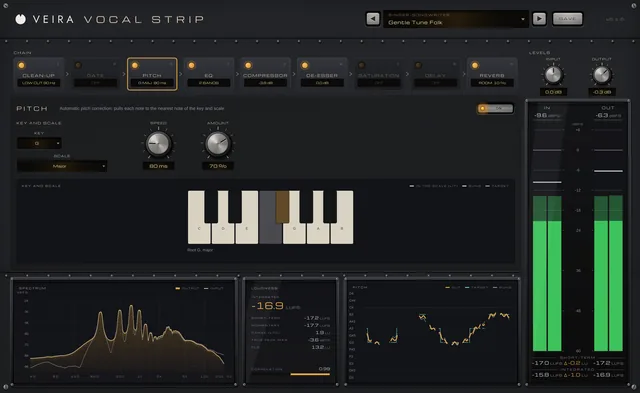 Building a lead vocal chain: order, clean-up, EQ, two-stage compression and colourThe order to process a lead vocal in, how to clean it up and EQ it, why two stages of compression sound more natural than one, and how to add colour and judge it all at matched loudness.Read the article →
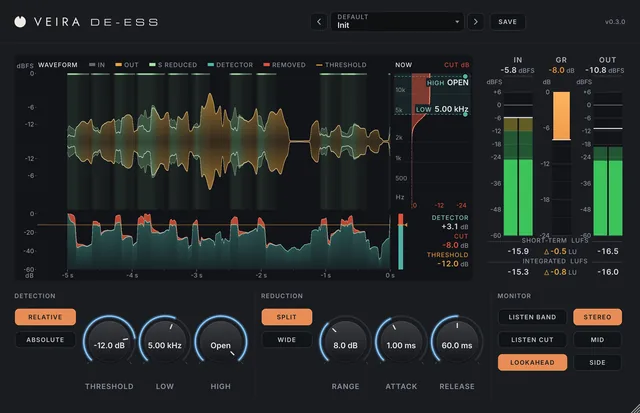 De-essing and riding a lead vocal: softer “s” sounds and every word heardWhere sibilance lives and where de-essing goes in the chain, how much to take off without a lisp, and how to level words and phrases with VEIRA Vocal Rider and fader automation so the vocal stays in front all song.Read the article →
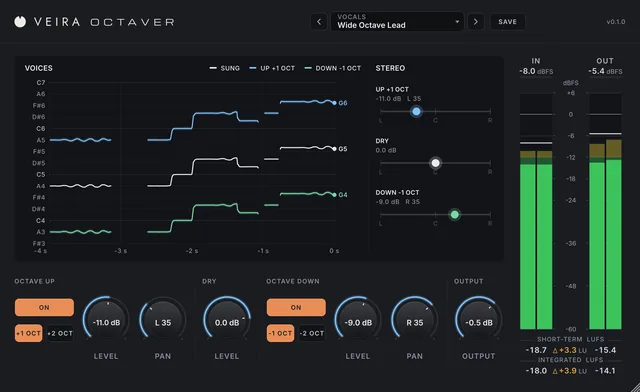 Mixing backing vocals and doubles: stacks, octaves and harmonies behind the leadHow to stack and pan doubles and harmonies, add octave voices that sound like real singers, make a double from a single take, and keep the backing vocals behind the lead instead of on top of it.Read the article →
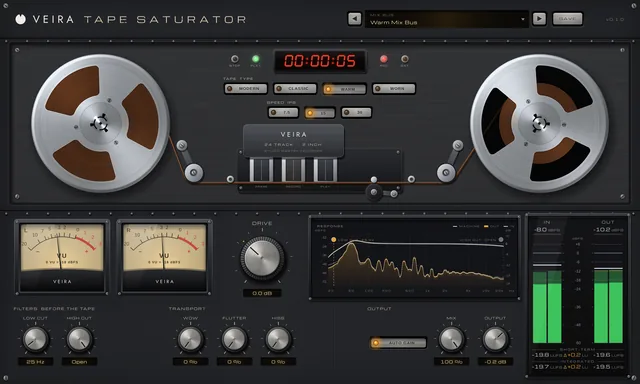 Saturation in a mix: adding harmonics and colour with tape and tubeWhat saturation really adds to a sound, how tape and tube colour differ, where it helps on bass, vocals, drums and buses, and how to judge how much at matched loudness.Read the article →
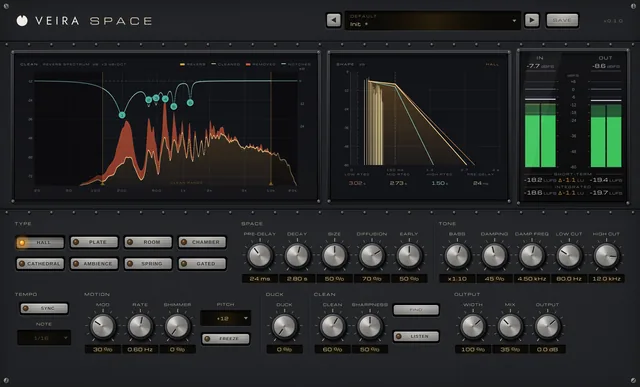 Reverb in a mix: building the space with sends, pre-delay and decayHow to build a mix’s space with reverb: sends versus inserts, starting points for pre-delay and decay, EQ on the returns, and which reverbs suit vocals, drums and instruments.Read the article →
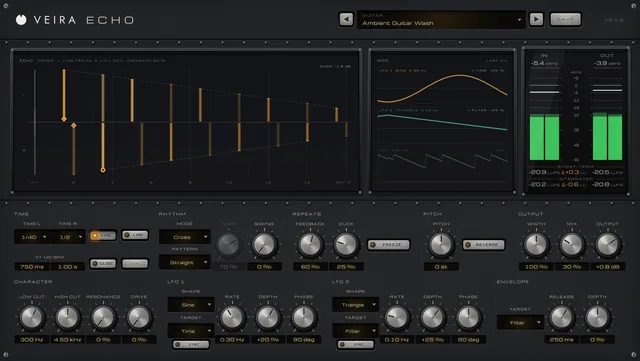 Delay in a mix: slapback, throws, ping-pong and tempo-synced echoesHow to use delay in a mix: setting times to the tempo or by ear, slapback, throws and ping-pong, filtering and saturating the repeats, and when a delay works better than reverb.Read the article →
- Dynamic EQ and multiband compression: fixing problems that come and goHow to tame resonances and harshness that only appear on some notes with dynamic EQ, how to use multiband compression on instruments and groups, and how to choose between them.Read the article →
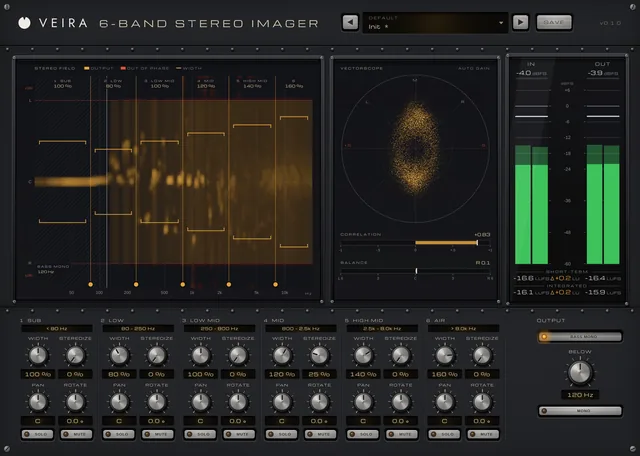 Stereo width in a mix: panning, widening and keeping it mono-safeWhen to pan and when to widen, how to keep the low end in the centre, how mid/side EQ shapes the centre and the sides separately, and how to check that the mix still works in mono.Read the article →
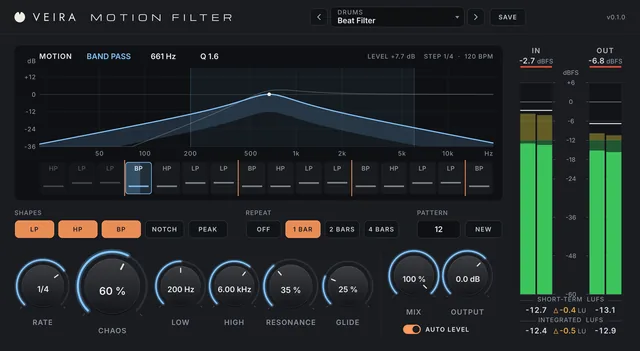 Movement and automation: keeping a mix alive from intro to outroHow to use fader and send automation section by section, add rhythmic filter movement that stays in time, give an intro or a breakdown its own texture, and keep the song moving without clutter.Read the article →
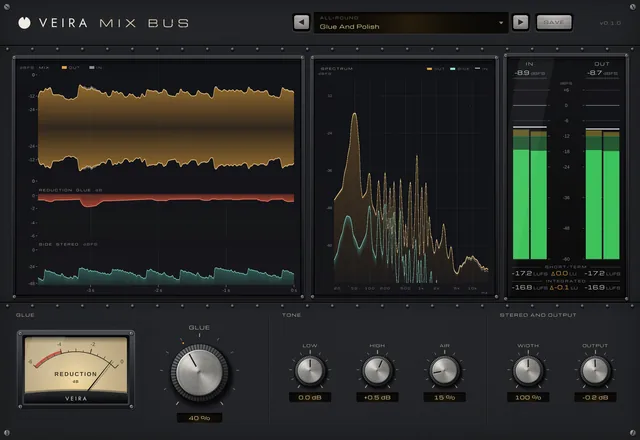 Processing the mix bus: gentle glue, broad tone and what to leave aloneWhat belongs on the mix bus and what doesn’t, when to put bus compression on, how much gain reduction a whole mix can take, how to make broad tone and width moves, and the mistakes that make a mix smaller.Read the article →
- Checking a mix and handing it off to masteringHow to measure loudness, true peak and headroom, check translation on different speakers, compare against references fairly, make a preview master, and print and send exactly what the mastering engineer needs.Read the article →
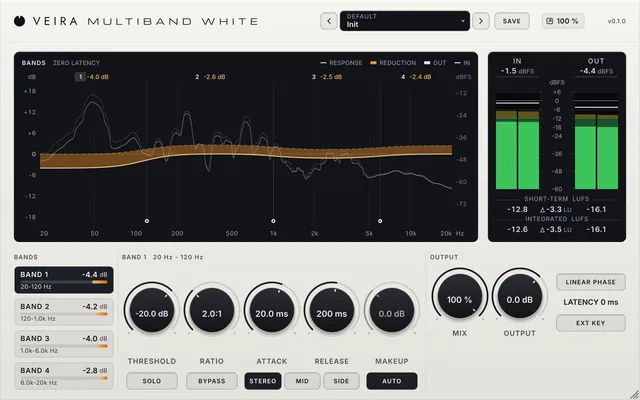 White: clean control of low end, bands and driveThree clean tools for the jobs that most often go wrong in a mix: a low end that jumps and vanishes on small speakers, a part that is right in one range and wrong in another, and saturation you can’t judge because it also gets louder.Read the article →
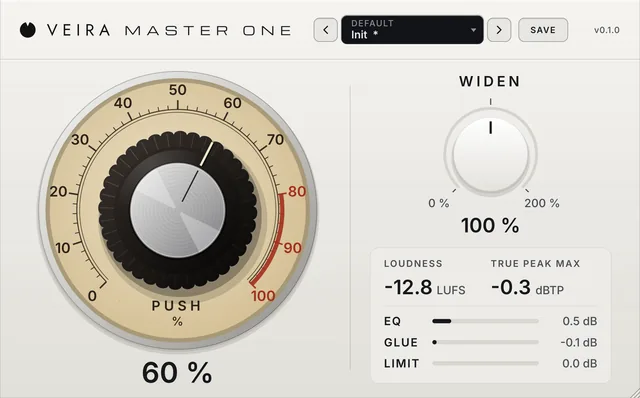 Mastering with two controls: how loud, and how wideWhat a quick master really needs to decide, why most of mastering can listen to the song and set itself, and how to choose PUSH and WIDEN for streaming, the radio or the club.Read the article →
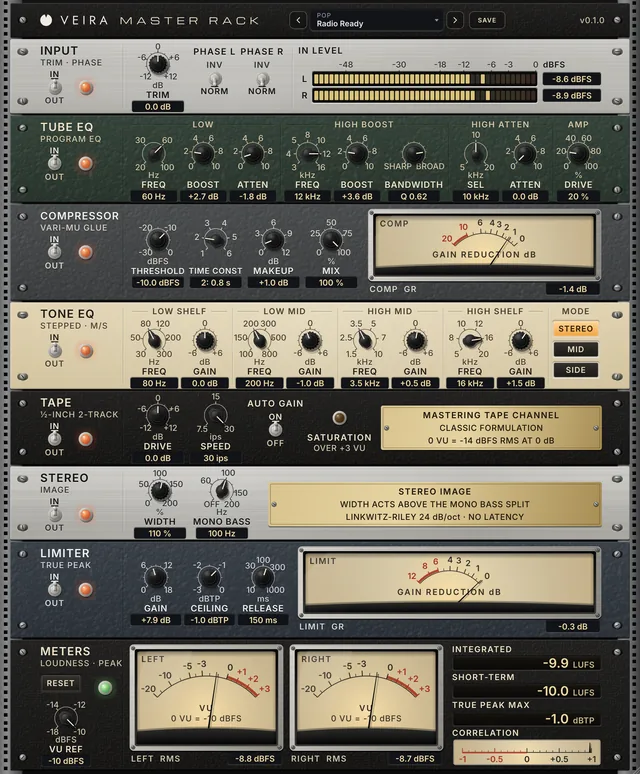 Mastering in a fixed order: what each step of a mastering chain is forWhy mastering engineers rack their units in the same order, what each step does to a finished mix, and how to take a master to its loudness target without losing what made the mix good.Read the article →
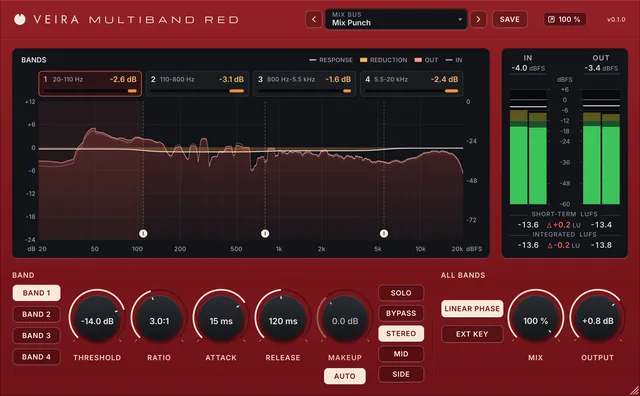 Red: punch, grit and low endThree jobs the Red family does for a mix: a low end that carries on small speakers, punch held band by band, and grit from four analog circuits, and how to use them together.Read the article →
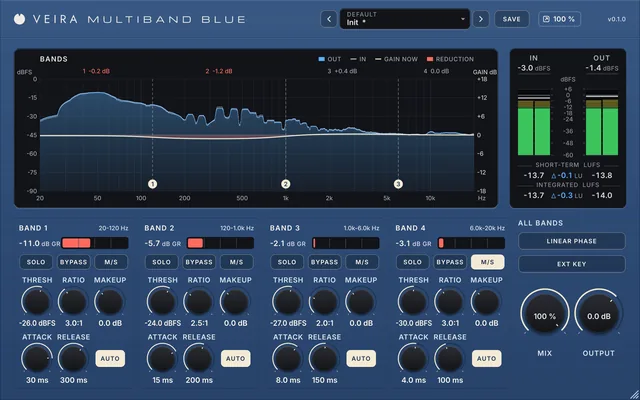 Blue: console glue, iron and rack gritThree things the classic British console and the early digital rack did to a mix, and how the Blue family does them: a low end that carries on small speakers, glue band by band, and drive from a channel, its iron and a converter.Read the article →
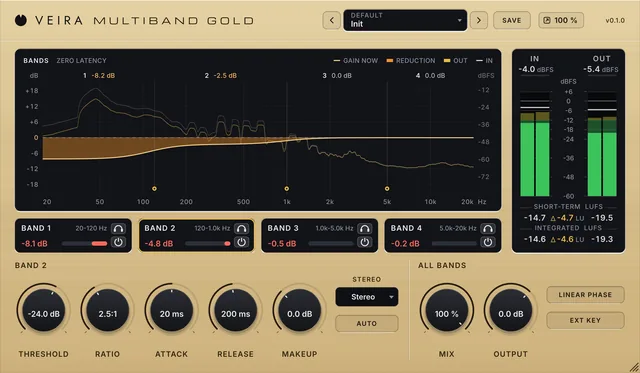 Gold: valve warmth for the low end, the bands and the driveThree things warm valve and tape gear did to a mix, and how the Gold family does them: a low end that carries on small speakers, compression that lets go smoothly band by band, and drive from a valve preamp, tape and a tube that glows.Read the article →
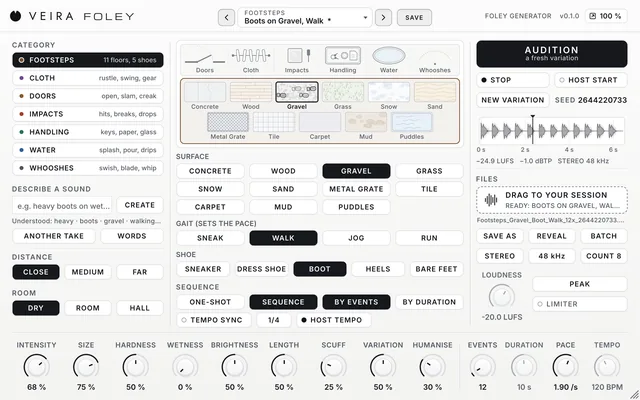 Footsteps and foley for picture and gamesHow to make footsteps, doors, cloth and water for a film, a video or a game with VEIRA Foley: pick the surface and the shoe, match the steps to the picture, shape the sound, and drag the WAV in, or a batch of variations for a game.Read the article →
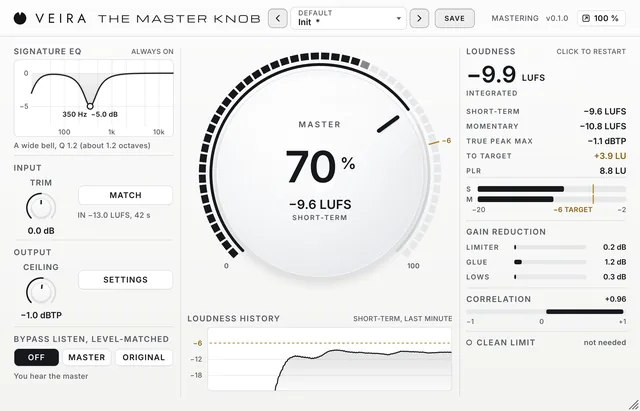 Mastering with one knob: louder in even steps, kept cleanHow to master a song with The Master Knob: match the premaster, turn MASTER until it is as loud as the song needs, compare fairly at the same loudness, and know where a clean limiter stops.Read the article →
 Writing for a brass section from a keyboardHow to play convincing brass parts with VEIRA Brass: keep each part in its range, play the dynamics on the mod wheel, slur and tongue like a player, voice chords for a section, and add falls and doits.Read the article →
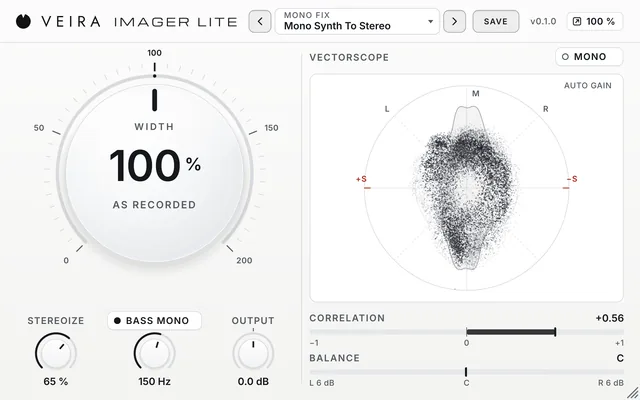 Stereo width with one knob: wider, not louderHow to set stereo width with VEIRA Imager Lite: widen at the same loudness, make a mono part stereo without changing it in mono, keep the low end in the centre, and check the result in mono.Read the article →
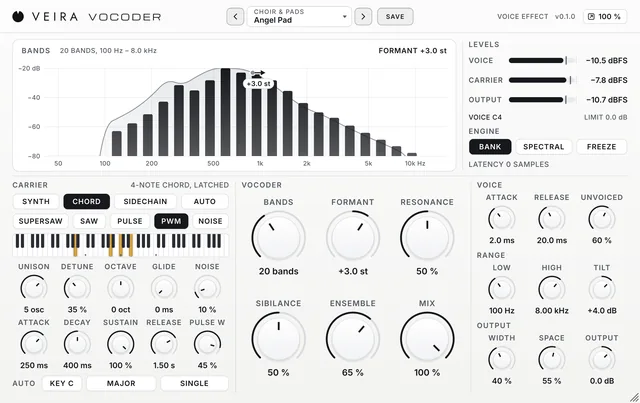 A vocoder from the first note: robots, choirs and talking synthsHow to use a vocoder with VEIRA Vocoder: start with no MIDI at all, add harmony in your key, play it from MIDI or latched chords, make another track talk, and keep the words clear.Read the article →
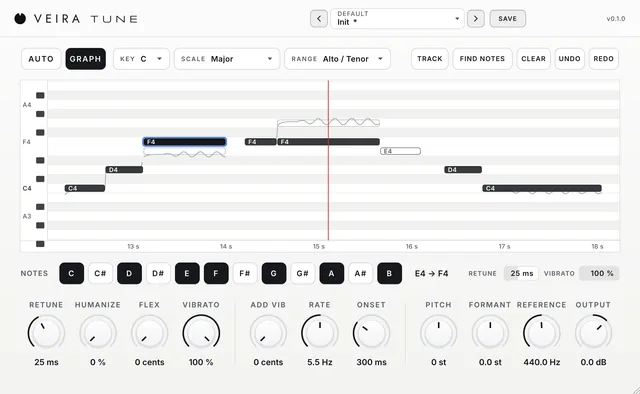 Tuning a vocal so nobody hears it (and when you want them to)How to tune a vocal with VEIRA Tune: set the key, choose how quickly notes are pulled, keep the vibrato, fix single notes by hand, and get the hard, stepped effect on purpose.Read the article →
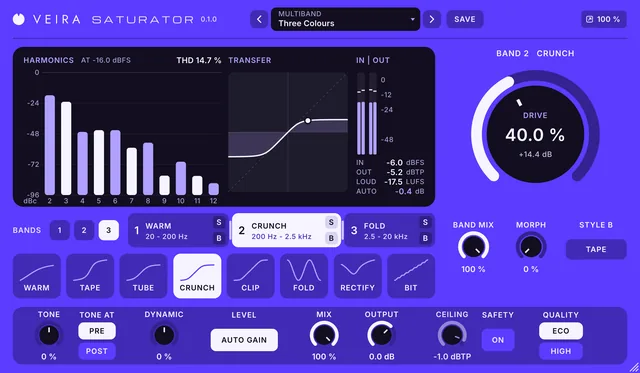 Eight ways to saturate: choose the style, split the bands, keep the levelHow to use saturation with VEIRA Saturator: what a curve adds, which of eight styles suits the job, how to judge it at the same level, when to split it into bands, and how to blend and move it with the music.Read the article →
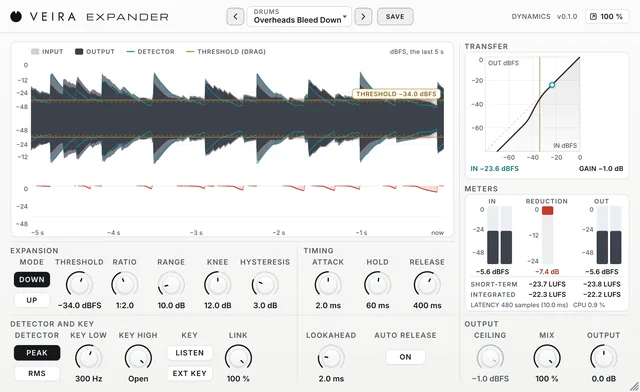 Quieter between the notes: how to use an expanderHow to use an expander with VEIRA Expander: what downward expansion does, how to set the threshold by eye, when to go gentle and when to gate, how to stop chatter, and upward expansion for punch.Read the article →
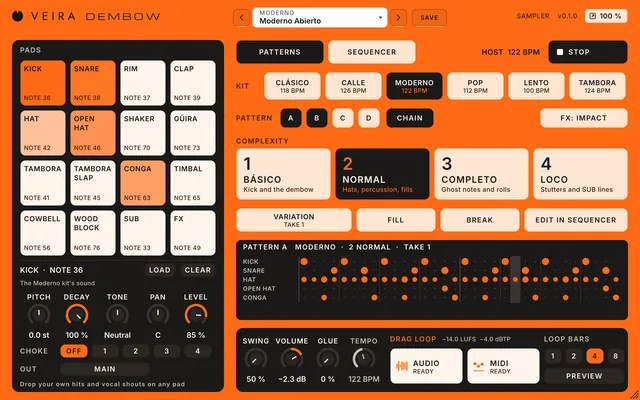 How to make a dembow beatHow to make a dembow beat with VEIRA Dembow: the kick and the snare’s 3 + 3 + 2, choosing a kit and a complexity, fills and breaks, your own vocal shouts, and a seamless loop to drag into your song.Read the article →
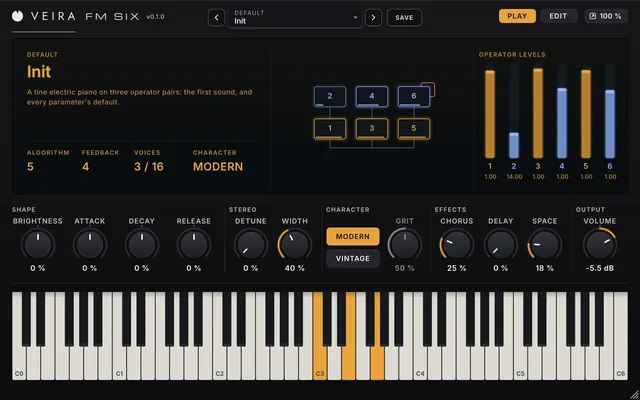 FM synthesis from the first operatorHow FM synthesis works, with VEIRA FM Six: carriers and modulators, why a modulator’s level is brightness, ratios for tones and bells, envelopes that make a sound strike and ring, algorithms, and MODERN or VINTAGE.Read the article →
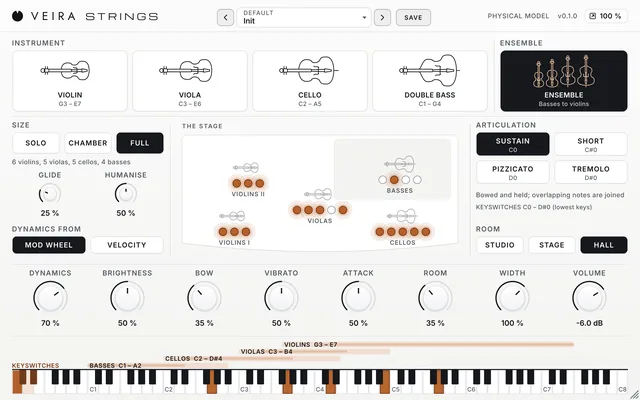 Writing for a string sectionHow to write and play strings with VEIRA Strings: ranges and registers, solo lines and slurs, sections and the ensemble across the keyboard, dynamics on the mod wheel, and the articulations for each part.Read the article →
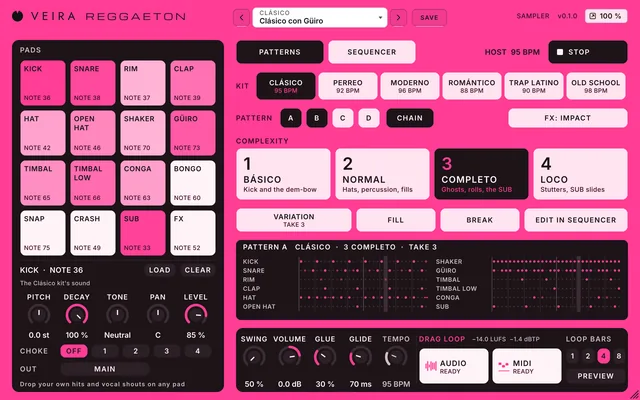 How to make a reggaeton beatHow to make a reggaeton beat with VEIRA Reggaeton: the straight kick and the snare’s 3 + 3 + 2, choosing a kit and a complexity, a sliding sub, fills and breaks that land, your own vocal shouts, and a seamless loop to drag into your song.Read the article →
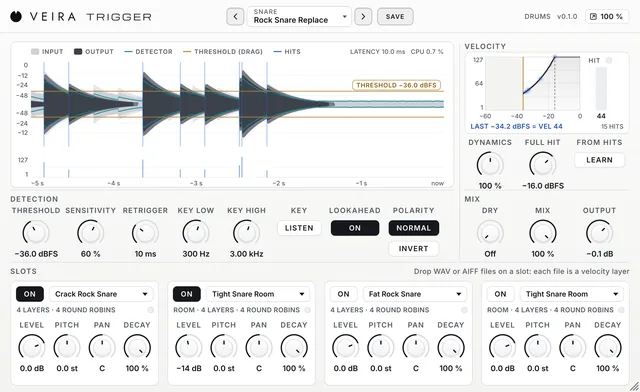 Triggering drums without losing the drummerHow to trigger recorded drums with VEIRA Trigger: finding the hits and not the bleed, keeping the sample in phase, following the drummer’s dynamics, blending or replacing, and what a trigger can’t do.Read the article →
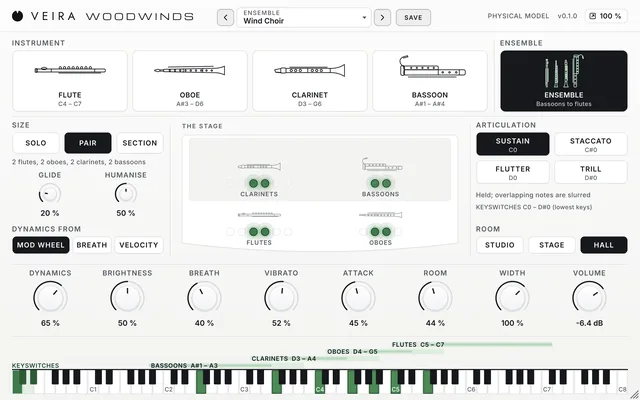 Writing for woodwindsHow to write for woodwinds with VEIRA Woodwinds: the four instruments and their registers, slurs and tonguing, dynamics on the mod wheel or a breath controller, pairs and sections, the wind choir, and the articulations.Read the article →
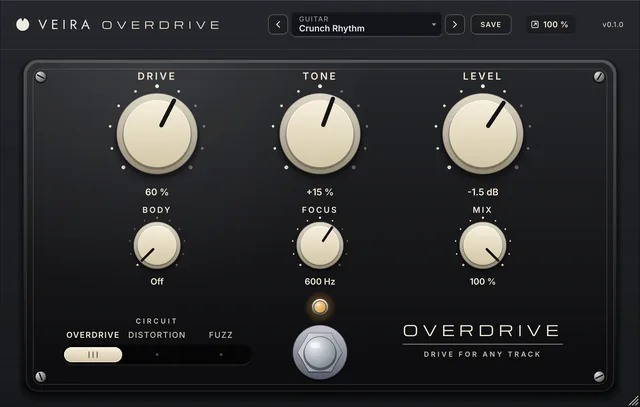 Drive on every track: drums, bass, vocals, keys and the mix busHow to use a drive pedal beyond the guitar with VEIRA Overdrive: which circuit to choose, how to keep the low end clean, where to start the drive, and settings for drums, bass, vocals, keys and the mix bus.Read the article →
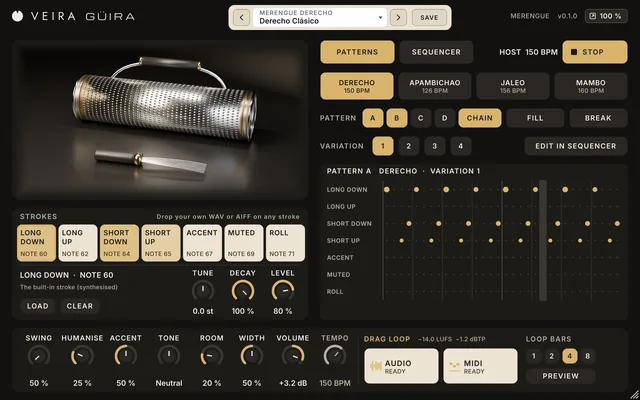 How to program a merengue güiraHow to program a merengue güira with VEIRA Güira: the long stroke and the two flicks, the four styles of merengue, accents and a player’s hand, fills and breaks, your own figures, and a seamless loop to drag into your song.Read the article →
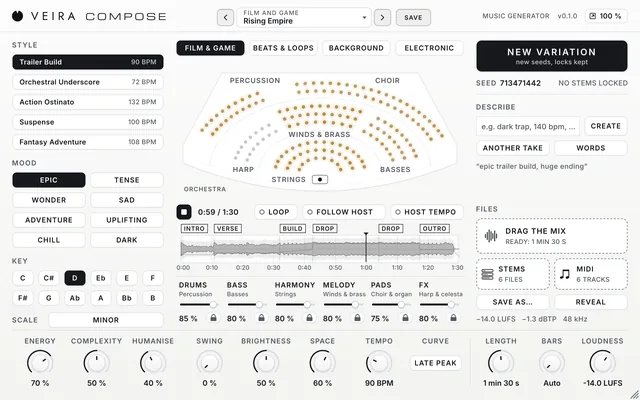 Music for picture: pick a style, lock the stems, drag it inHow to make music for a video, a trailer or a game with VEIRA Compose: start from a style or a few words, shape the energy, keep the parts you like with LOCK, and drag the mix, the stems or a seamless loop into your session.Read the article →
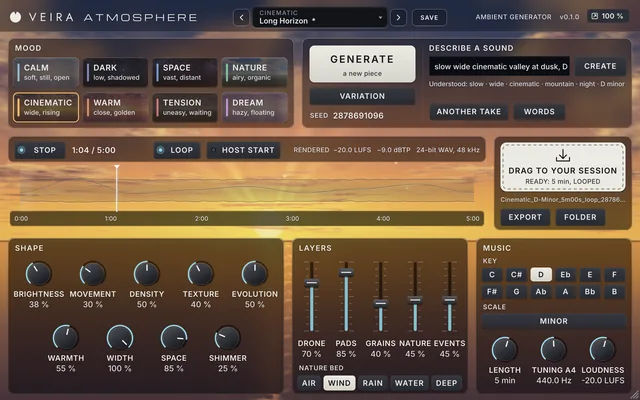 Ambient beds for picture: describe it, shape it, drag it inHow to make a long ambient bed for a film, a video or a game with VEIRA Atmosphere: describe the scene in words, set the mood and the layers, keep it under the dialogue, and loop it without a seam.Read the article →
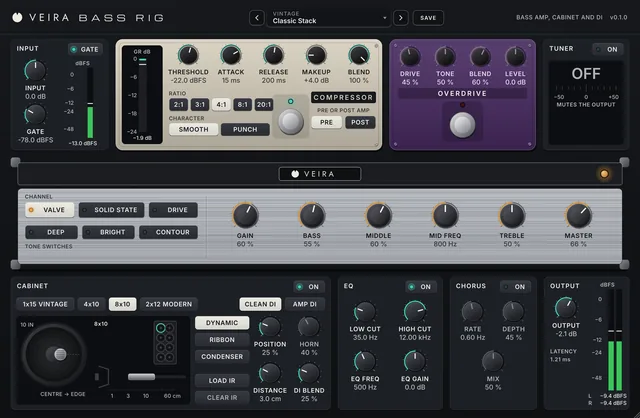 Recording bass: the DI, the amp and the compressorHow a recorded bass sound is built with VEIRA Bass Rig: compression that holds the low end without distorting it, an amp channel, a miked cabinet, and a DI blended in phase so the low end adds up.Read the article →
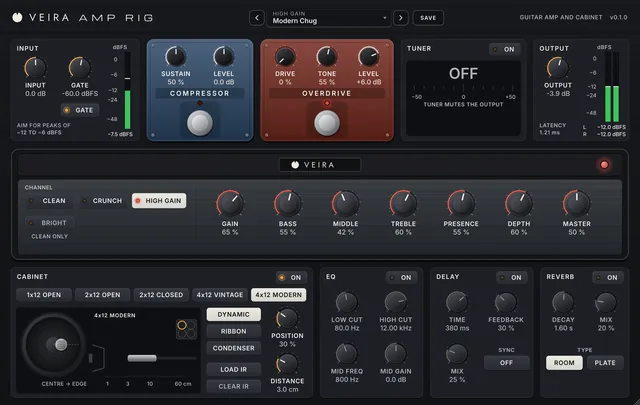 Building a guitar amp sound: pedals, channel, cabinet and microphoneHow a miked guitar amp sound is built, in signal order, with VEIRA Amp Rig: the input level, a pedal in front, the amp’s channel and tone stack, the cabinet and where the microphone goes, and the effects after it.Read the article →
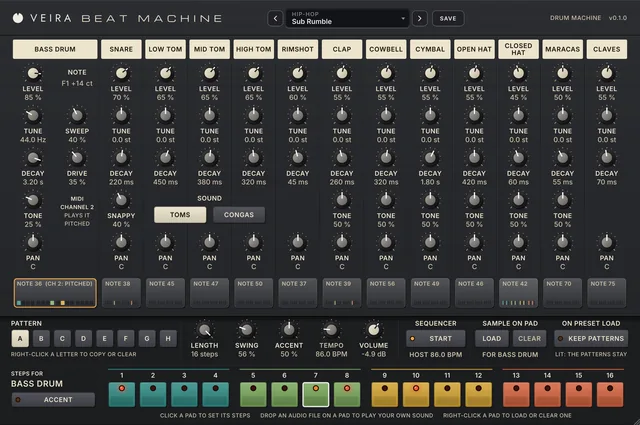 Programming a drum machine: sixteen steps, accents and swingHow to program a beat on a classic-style drum machine with VEIRA Beat Machine: the sixteen steps, accents, swing and patterns, a bass drum that carries the bass line, and your own samples on the pads.Read the article →
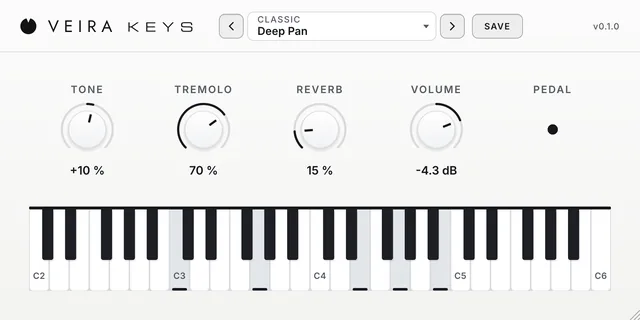 The electric tine piano: bark, bell and a tremolo that sets its own speedHow an electric tine piano makes its sound, why it barks when you play hard and rings round when you play soft, how to use the stereo tremolo, and how VEIRA Keys, free, builds every note without recordings.Read the article →
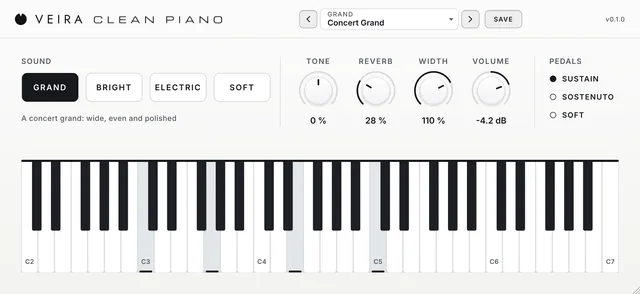 A clean piano for modern productions: width, a clean hall and silenceHow to place a piano in a modern mix with VEIRA Clean Piano: its four sounds, a stereo image like a recorded grand, a clean hall that never wobbles, and why exact digital silence matters.Read the article →
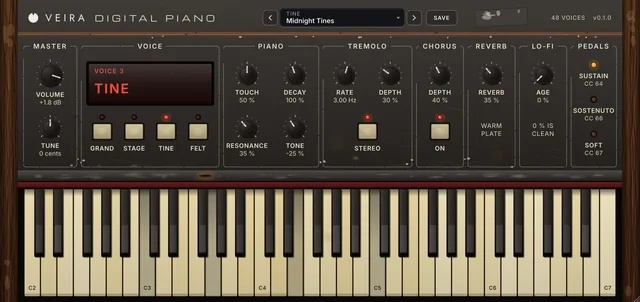 A piano built from partials: how a synthesized piano worksHow VEIRA Digital Piano builds every note from decaying sine partials instead of recordings, why piano strings are stretched and decay in two stages, and how to use its pedals, tones and AGE.Read the article →
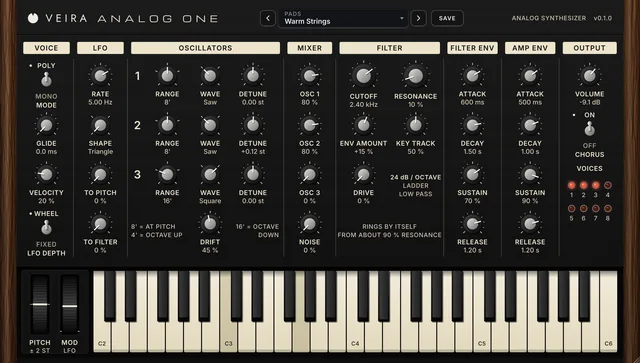 The classic subtractive synth: five sounds from one pageHow a classic analog synthesizer works, left to right: oscillators, mixer, ladder filter and envelopes, and how to build a bass, strings, brass, a pluck and an acid line from Init.Read the article →
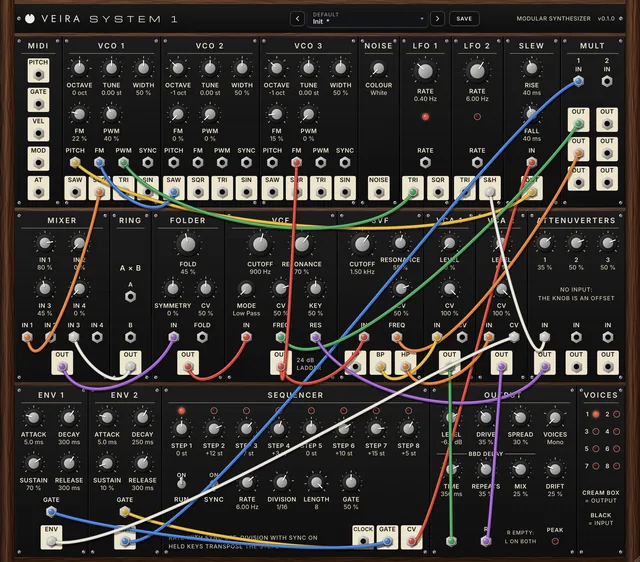 Patching a modular synthesizer, one cable at a timeHow a modular synthesizer works and how to patch one: sources, shapers and control, normals, the first cables to try, and a bass, a sequence and a drone to build.Read the article →
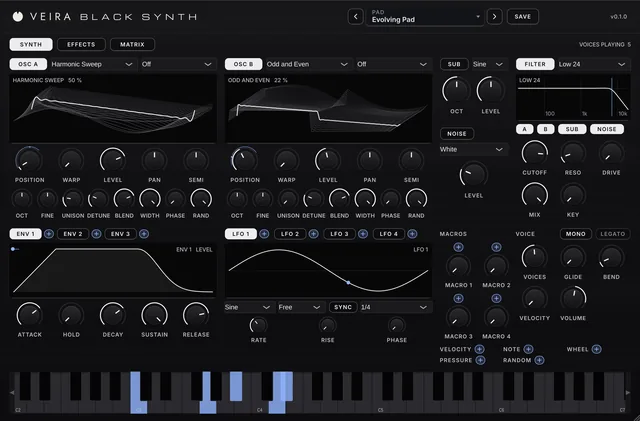 Wavetable synthesis, from one cycle to a moving soundHow a wavetable synthesizer works and how to get the most from one: tables and POSITION, unison and warp, the filter, and the modulation that makes a patch move, with a bass, a pad and a pluck to build.Read the article →
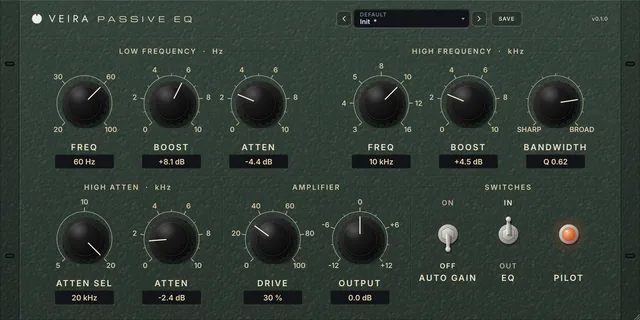 The low-end trick, done right: why BOOST sits above ATTENThe passive program EQs of the 1950s let you boost and cut the same low frequency at once. Here is why the two don’t cancel, why equal settings nearly do, and how to set the trick by ear.Read the article →
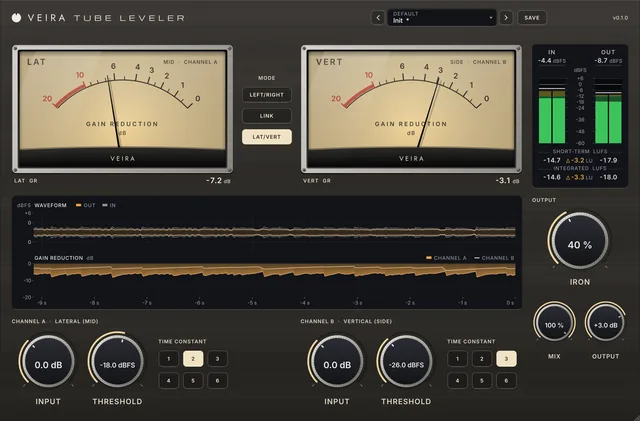 Twin-channel tube limiting: linked, split, or mid and sideHow a twin-channel vari-mu tube limiter holds a mix bus, a master or a pair of guitars: what the two channels are for, when to link them, when to split them, and why lateral and vertical is the secret of the classic units.Read the article →
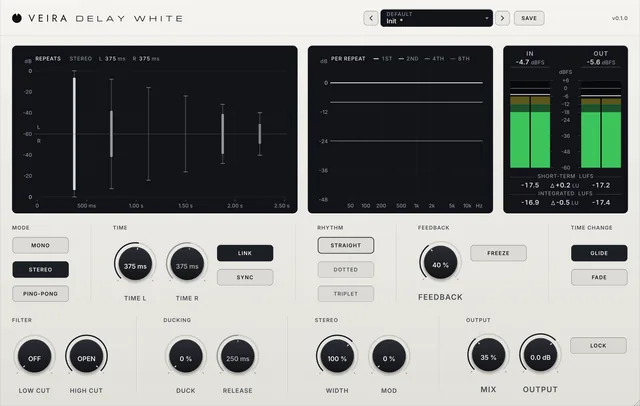 Four colours of delay: clean, analog, tape and vintage digitalWhy one delay isn’t enough: when to reach for a clean modern digital delay, an analog bucket brigade, a multi-head tape echo or an early-1980s rack digital delay, and what each does to the repeats that the others don’t.Read the article →
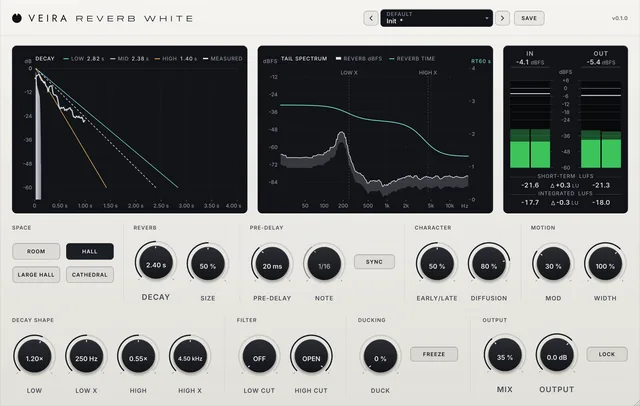 Four colours of reverb: pristine, plate, chamber and vintage digitalWhy one reverb isn’t enough: when to reach for a modern algorithmic hall, a studio steel plate, an echo chamber or an early-1980s digital rack reverb, and what each does to a sound that the others don’t.Read the article →
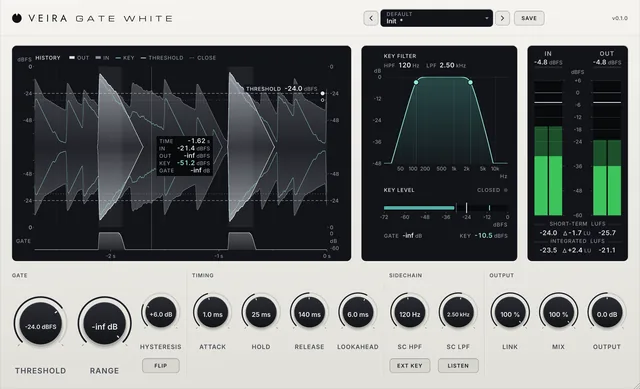 Four colours of gate: clean, punchy, smooth and vintageWhy one gate isn’t enough: when to reach for a precise modern gate, a drum gate with a band-pass key, a smooth downward expander or a vintage console channel gate, and what each does to the sound that the others don’t.Read the article →
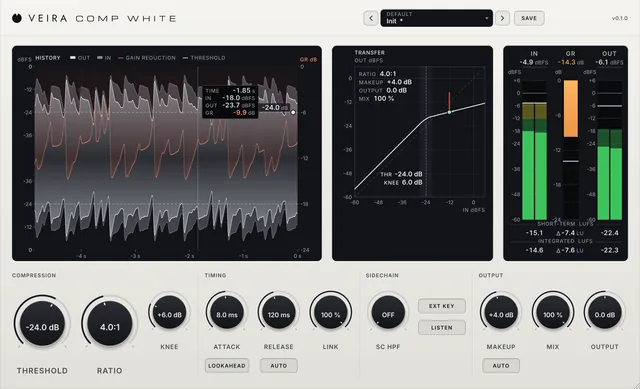 Four colours of compressor: clean, punchy, warm and vintageWhy studios keep more than one compressor: when to reach for a clean modern compressor, a fast FET, a tube optical leveller or a vari-mu, and what each does to the sound that the others don’t.Read the article →
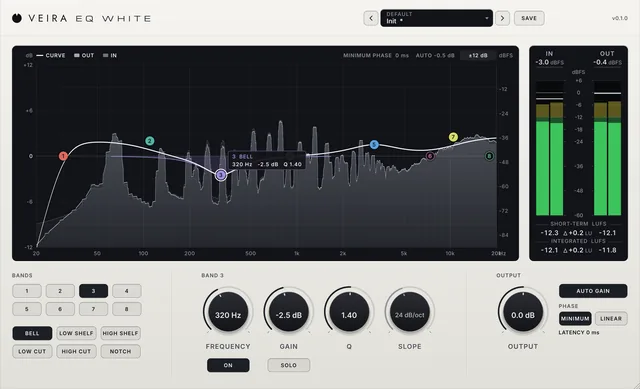 Four colours of EQ: clean, mid/side, warm and vintageWhy one equalizer is never enough: when to reach for a clean surgical EQ, a mid/side EQ, a warm passive tube program EQ or a vintage console EQ, and what each does that the others don’t.Read the article →
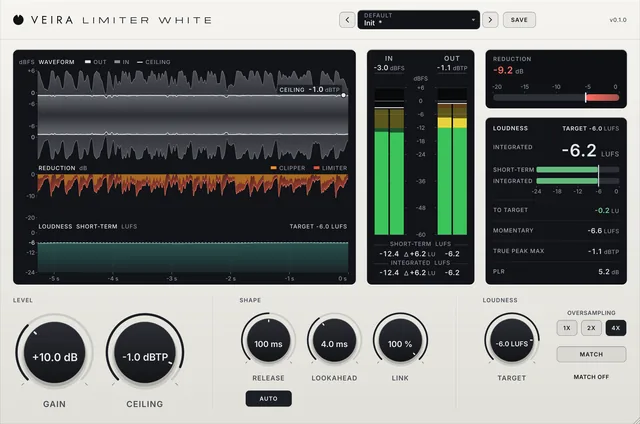 Four colours of limiter: clean, punchy, warm and vintage at −6 LUFSWhat a limiter really does to a loud master, why every limiter shapes the peaks at −6 LUFS, and how to choose between a clean, a punchy, a warm and a vintage one by what the mix needs.Read the article →
- Octave doubles on a vocal: weight below, lift above, and why the formants matterHow an octave under or over a lead vocal adds weight or lift without a new harmony, where to set the levels and pans, what an octaver needs from the voice, and why most octavers sound fake.Read the article →
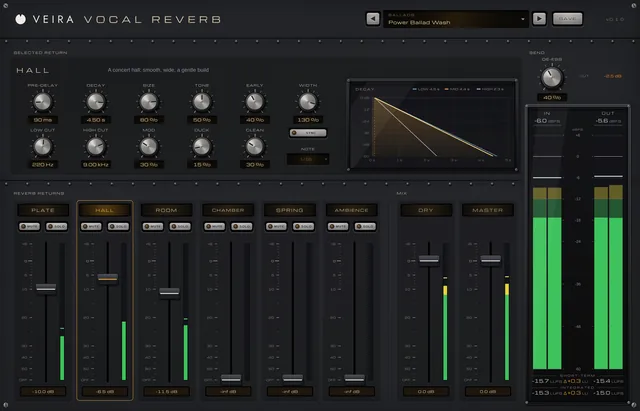 Layering reverbs on a vocal: a short space, a long space, and the faders between themWhy engineers put a vocal into two or three reverbs at once, how to pair a short space with a long one, keep the s sounds out of the tails, and ride the reverbs through a song.Read the article →
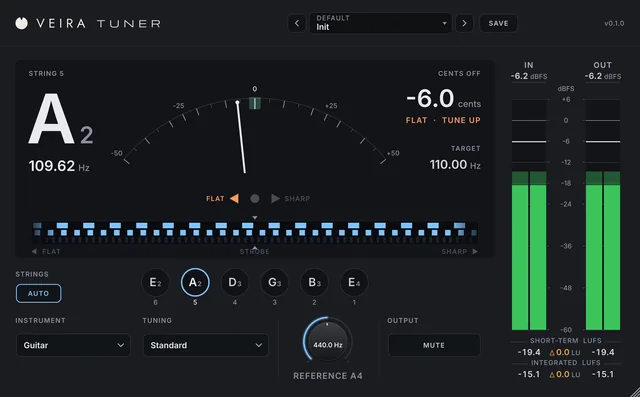 Tuning before you record: guitar, bass and ukulele that stay in tune with the trackWhy a few cents matter in a recording, how to tune a string so it stays there, when to change the reference pitch, and how to check tuning between takes.Read the article →
- How to de-ess a vocal without making the singer lispWhere sibilance comes from, where the de-esser goes in the chain, how much to take off, and how to check that the “s” is softer but still an “s”.Read the article →
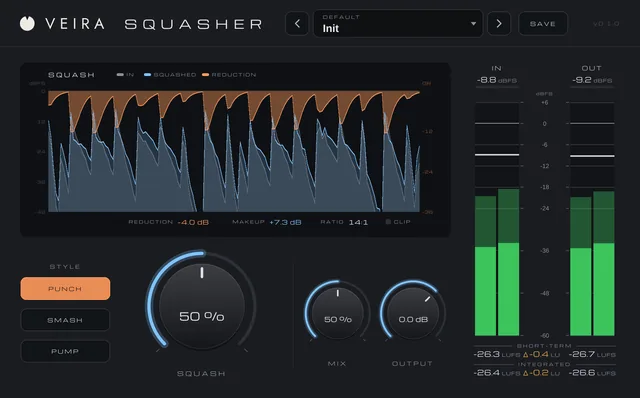 Parallel compression on drums: punch and body at the same timeHow parallel (“New York”) compression works on a drum bus, how to set it up without phase problems, and how to blend it so the kit gets bigger, not just louder.Read the article →
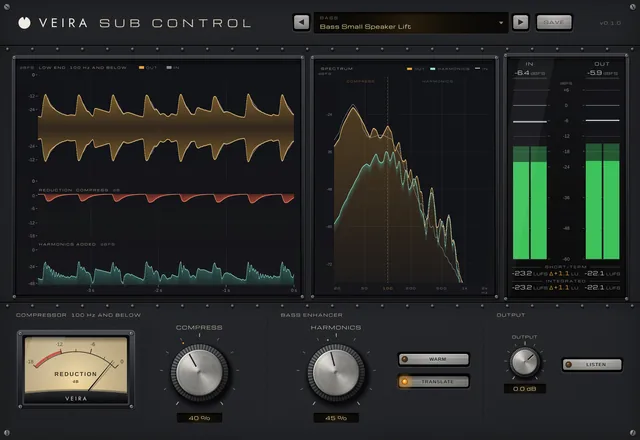 Making bass heard on phones and laptopsWhy a sub or 808 vanishes on small speakers, how harmonics let the ear hear notes the speaker can’t play, and how to keep the low end steady without the kick pumping it.Read the article →
- Reverb without mud: how to give a mix space and keep it clearSends instead of inserts, filtering the return, pre-delay and decay timed to the song, ducking, and taking the ringing out of a reverb so the space stays and the mud goes.Read the article →
- Mix bus compression: glue without squashing the mixWhat “glue” really is, gentle settings for the mix bus, when to put it on, how to compare it fairly, and why the loudness belongs to mastering.Read the article →
- How to compress a vocal so it stays in front of the mixHow much gain reduction a vocal needs, which ratio, attack and release to start from, when to use two compressors, and how to judge the result at matched loudness.Read the article →
- Gating drums: cleaner toms and kick without choking the hitsHow to set a gate’s threshold, attack, hold, release and range on toms and kick, how to key it so the wrong drum can’t open it, and why closing it partly often sounds better.Read the article →
- Dynamic EQ: taming a resonance that only shows up sometimesHow to find a resonance or harshness that comes and goes, why a static cut is the wrong fix, and how to set a dynamic EQ band’s threshold, range and timing.Read the article →
- Getting a DI bass to sound finished: even, present and in the mixWhy a DI bass sounds unfinished, and how compression, saturation and four classic EQ moves even out the notes, make it heard on small speakers and fit it into the mix.Read the article →
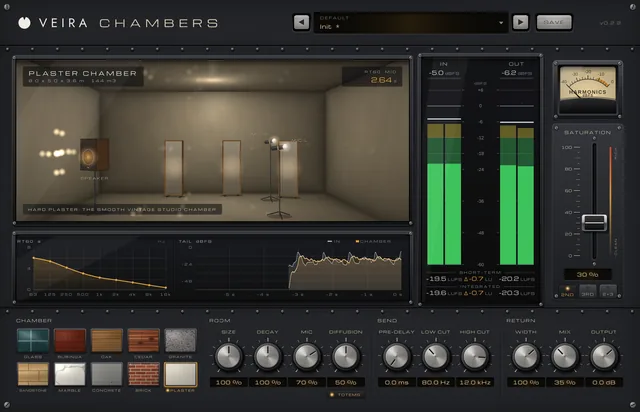 The echo chamber sound: a classic reverb for vocals and snareWhat an echo chamber is, why it suits vocals and snare, and how to set pre-delay, send filtering and decay so the reverb supports the part instead of washing over it.Read the article →
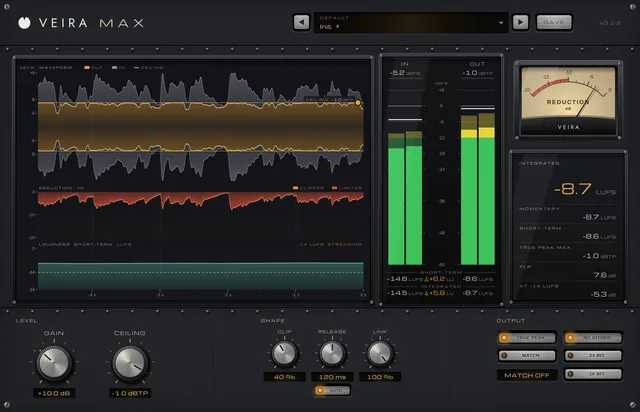 Limiting a master: loud enough without losing punchHow to set a limiter’s ceiling and gain on a master, how far to push it, how to tell when it starts costing you punch, and why you should compare at matched loudness.Read the article →
- Making a plugged-in acoustic guitar sound like a miked oneWhy a pickup sounds quacky and thin, which EQ moves bring the body back, how much leveling and room to add, and how to compare the result fairly.Read the article →
- Delay on vocals: slapback, tempo-synced repeats and throwsThree ways to use delay on a vocal – slapback, tempo-synced repeats and throws – with the times, feedback and filtering that keep the words clear.Read the article →
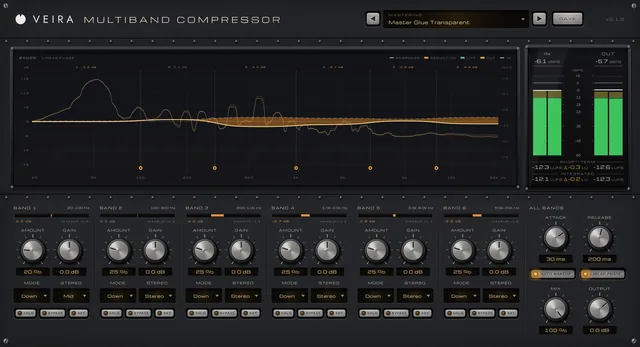 Multiband compression: controlling one part of the spectrum at a timeWhen a multiband compressor is the right tool, where to put the crossovers, how much to compress each band, and how to keep the result from sounding thin or uneven.Read the article →
- Drum bus processing: glue, punch or smash a kit in one moveWhat a compressor on the drum bus does to a kit, how attack and release decide punch or glue, why the boxy low mids come out first, and how to judge it at the same loudness.Read the article →
- Tape saturation: what it does to a mix and how much to useWhat tape actually does to a sound – soft saturation, a head bump, a softer top and a little movement – and how to set the level so it adds warmth without mud.Read the article →
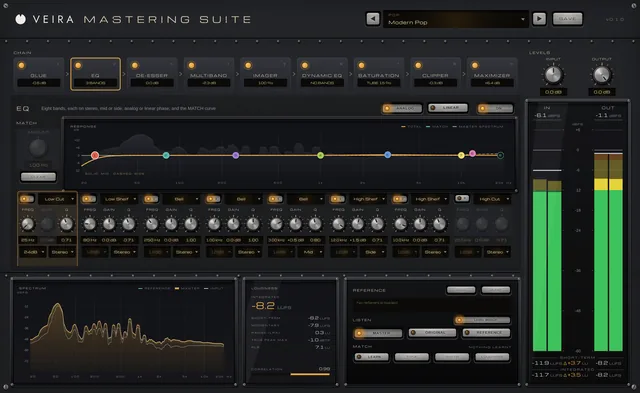 Mastering your own song: what goes in the chain, and in which orderWhat each stage of a typical mastering chain does, why the order matters, why the limiter always goes last, and how to compare your master fairly with a reference.Read the article →
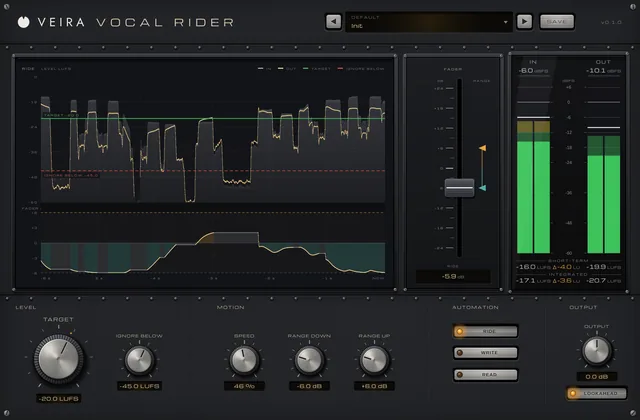 Riding vocal levels instead of over-compressing the voiceWhy a compressor alone can flatten a vocal, how engineers ride the fader phrase by phrase instead, and how to set the speed, range and automation for an even, natural vocal.Read the article →
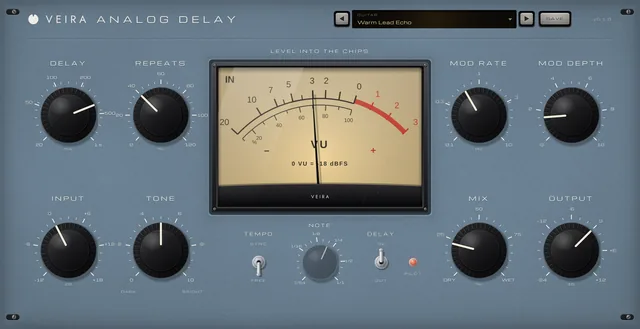 Analog delay on guitars and synths: repeats that sit behind the partWhy analog-style repeats sit behind a guitar or synth instead of fighting it, how to choose the time, feedback and tone, and how to use modulation and drive with taste.Read the article →
- Making a mix wider that still holds up in monoHow stereo width works in mid and side terms, why the low end belongs in the center, how to widen band by band, and how to check every move in mono.Read the article →
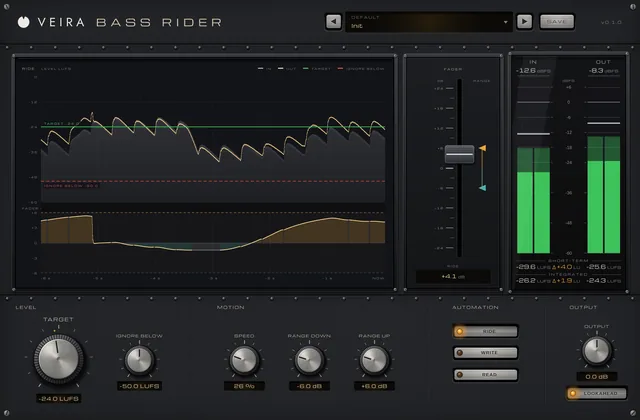 Riding the bass: keep a bass line steady from verse to chorusWhy a bass line drifts in level between sections, why heavy compression isn’t the only answer, and how to ride the bass so it holds its place under the kick all song long.Read the article →
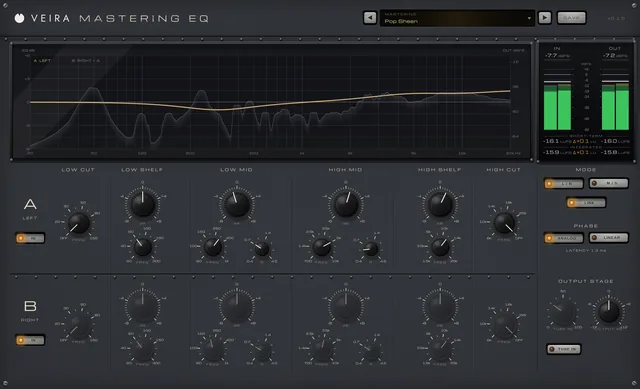 Mastering EQ: small, broad moves, left/right and mid/sideHow to EQ a finished mix: why mastering moves are small and broad, where to listen, when mid/side helps, analog versus linear phase, and how to compare fairly.Read the article →
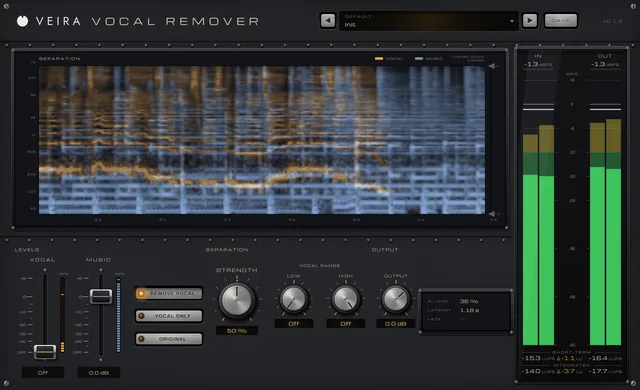 How to pull an a cappella or an instrumental out of a finished songHow vocal separation works, what it can and can’t do, which settings matter for an instrumental, an a cappella or a vocal rebalance, and how to check the result.Read the article →
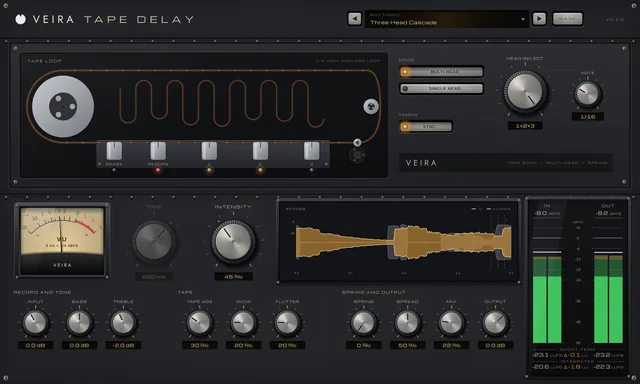 Tape echo: repeats that get darker, and dub-style feedbackHow a tape echo works, why its repeats darken and wobble as they fade, how to set it for slapback and rhythmic echoes, and how to ride the feedback for dub throws.Read the article →
- Cleaning up a noisy recording: hum, hiss, fans and room toneHow to tell the kinds of background noise apart, what gates and EQ can and can’t do about them, and how to remove noise without leaving artifacts or dulling the voice.Read the article →
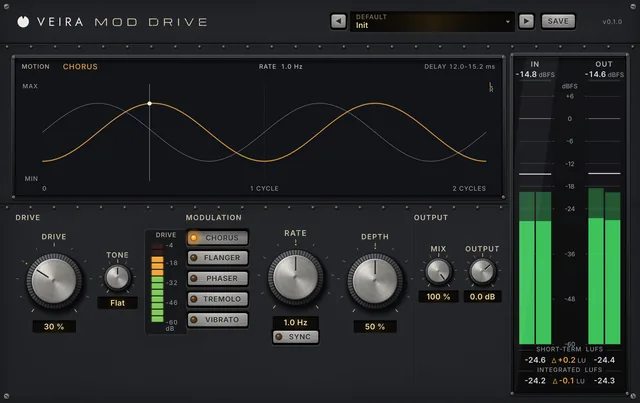 Drive and modulation on guitars, keys and synths without level jumpsHow to set drive for color rather than volume, which modulation effect suits which part, when to sync it to the song and how to keep the level steady as you switch.Read the article →
- Building a vocal chain: what goes first, what goes last, and whyWhich processors a lead vocal usually needs, the order that works for most voices, why each one sits where it does, and when it makes sense to break the rule.Read the article →
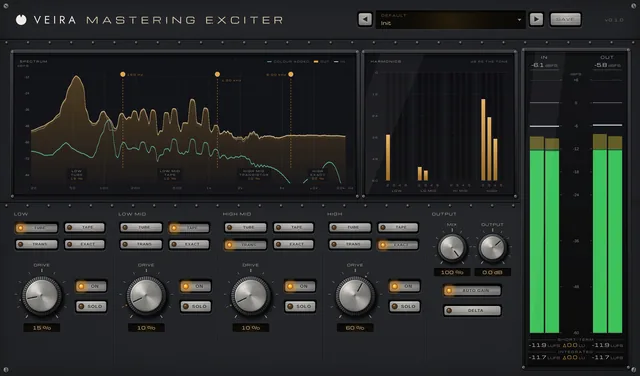 Adding air and presence to a master without making it harshHow harmonic excitement differs from EQ, which bands and amounts tend to work on a master, and how to listen to what you add so the top end opens up without turning harsh.Read the article →
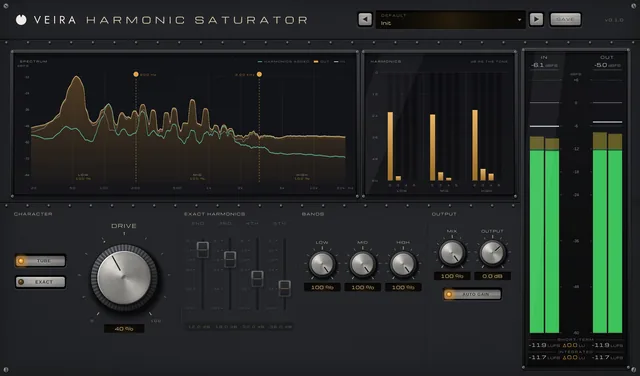 Using saturation so a sound cuts through without turning it upWhy harmonics make a part audible in a busy mix, what each harmonic adds, how to saturate one band instead of the whole sound, and how to judge it at the same level.Read the article →
- Is the mix ready? Loudness, true peak and phase for where it’s goingWhat integrated loudness, true peak, PLR and correlation tell you, the common references for streaming and broadcast, and how to read them before you deliver.Read the article →
- Rhythmic filter movement: bringing a static loop or pad to lifeHow to choose filter shapes, range, resonance and glide for rhythmic movement, keep it in time with the song, and stop a moving filter from becoming a moving volume.Read the article →
 Creative vocal effects: doubles, harmonies, formant shifts and unisonHow to make a vocal sound doubled, add a simple harmony, change a voice’s size with formant shifting and widen it with unison, and how to keep each effect musical in a mix.Read the article →
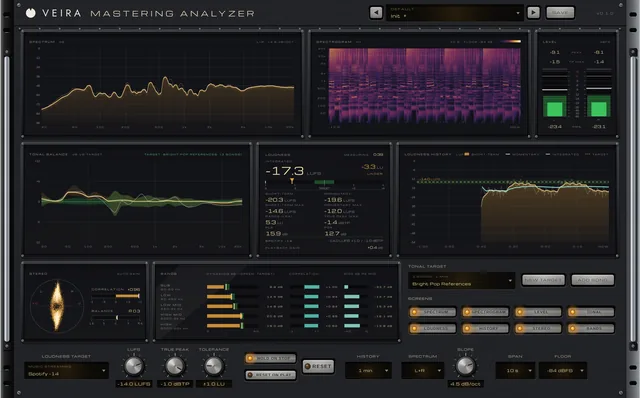 Checking a master before release: what to look at and whyWhat to check on a finished master before it goes out: loudness and true peak for its destination, tonal balance against references, dynamics, stereo and mono.Read the article →
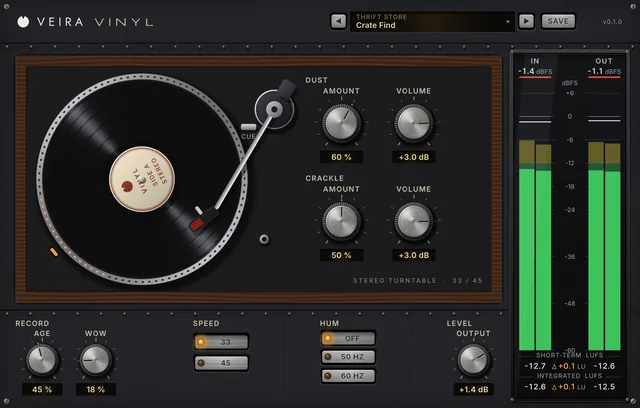 Lo-fi vinyl texture: crackle, wow and an old record’s sound, used with tasteWhat makes a track sound like an old record, how much crackle, band-limiting and wow to add, and how to keep the texture from burying the music.Read the article →