Mix bus compression: glue without squashing the mix
What “glue” really is, gentle settings for the mix bus, when to put it on, how to compare it fairly, and why the loudness belongs to mastering.
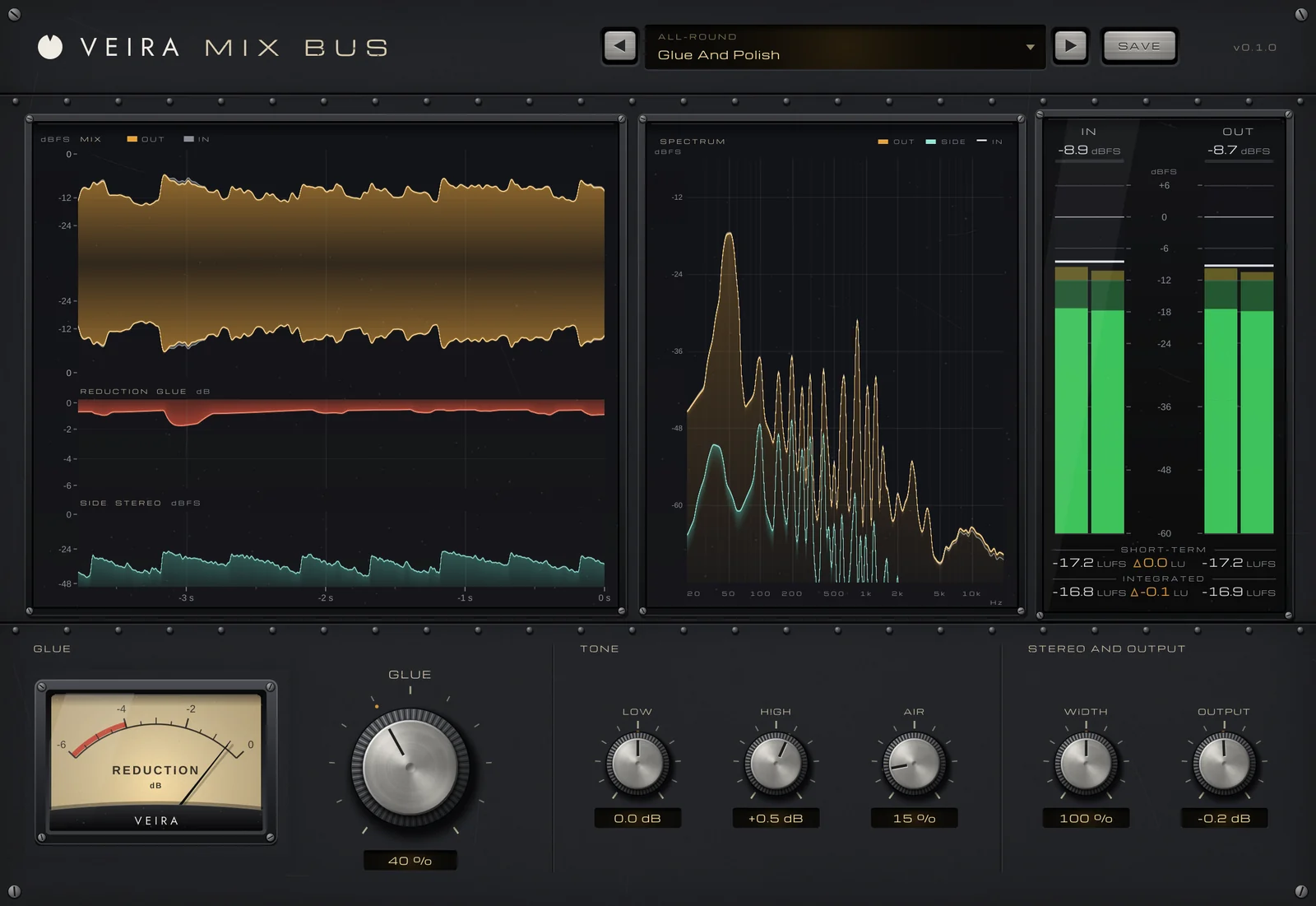
A little compression across the whole mix makes the parts feel like they belong together: the drums sit inside the music instead of on top of it, and the mix moves as one. Engineers call it glue. Too much of it does the opposite of what you want, flattening the drums and making the chorus pump, so the craft is in how little you use.
Gentle settings
- A low ratio: 2:1 or less. Glue is about a slight, constant hold on the mix, not about catching peaks.
- A medium attack, around 30 ms, so the front of every drum hit gets through before the compressor reacts. A fast attack shaves the transients and makes the mix smaller.
- An automatic or fairly quick release, so it lets go between beats and doesn’t pump on dense sections.
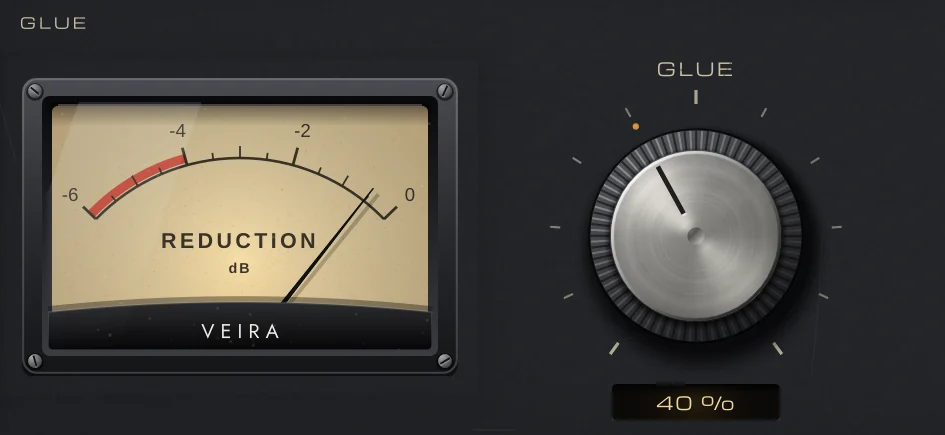
- Only a decibel or two of gain reduction on the loudest parts. If the meter is swinging much further, it’s doing a limiter’s job.
If your compressor lets you filter what it listens to, keep the kick and bass out of the detector with a high-pass. Otherwise every kick pulls the whole mix down.
Mix into it, or put it on at the end?
Both are common. Putting the bus compressor on early and mixing into it means every balance you set already includes its effect, so nothing shifts when you switch it on later. Adding it at the end is safer if you’re not sure yet, but then go back and check the balances, because glue changes how loud the drums and the vocal feel against the rest.
Compare at the same loudness
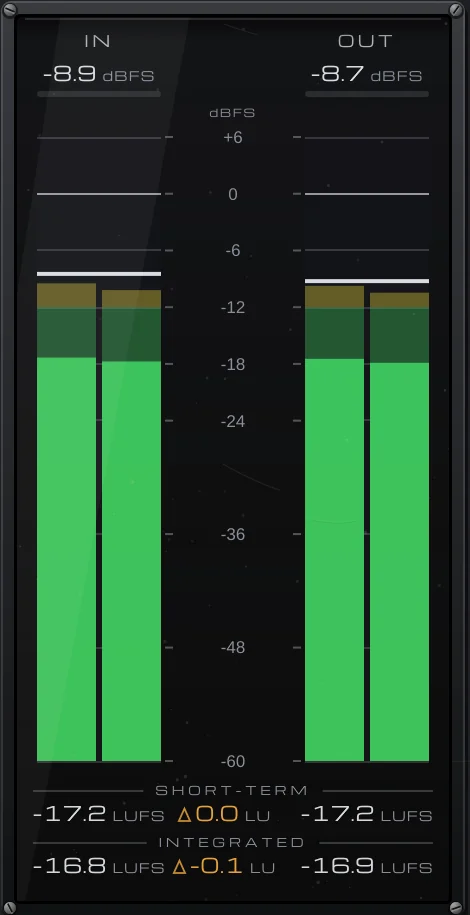
Compression with makeup gain usually makes things louder, and louder always sounds better for the first few seconds. Match the level before you decide whether the mix bus processing is really helping. If it only sounds better when it’s louder, it isn’t helping.
Keep tone and width moves small, and leave loudness to mastering
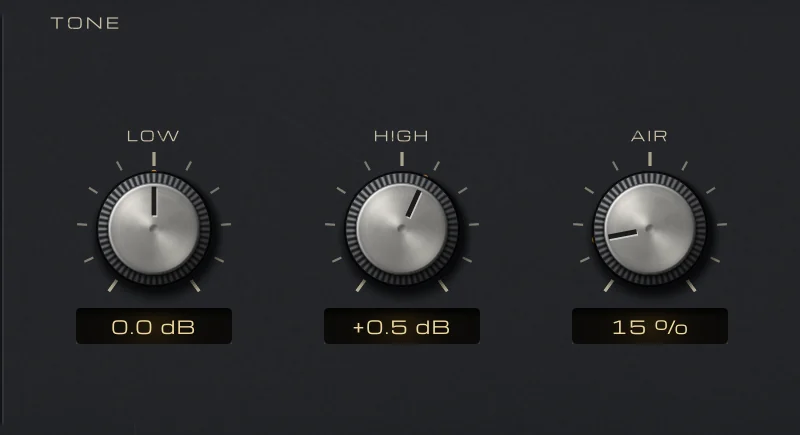
Broad shelves of a decibel or two on the mix bus are fine for a touch of weight or air; anything bigger usually means a track inside the mix needs fixing. If you widen the stereo image, keep the low end centred so the mix still works in mono. And leave the limiter off: send mastering a mix with headroom and dynamics, and let loudness be decided there.
Doing it with VEIRA Mix Bus
VEIRA Mix Bus is a very simple, very gentle processor for exactly this place, the last thing before mastering. GLUE is one big knob that goes up to a gentle 2:1 with a 30 ms attack and an automatic release; on a mix it takes about 1 dB at 50 %. It hears the mix through a 90 Hz high-pass, so the kick and bass don’t pump it, and it gives the level back automatically, so a move changes the feel, not the loudness, and A/B comparisons stay fair.
TONE has three broad moves, LOW at 100 Hz, HIGH at 5 kHz and AIR at the very top, each within ±3 dB. WIDTH opens or narrows the image only above 150 Hz, so the low end stays where it is. There’s no latency, so it can stay on while you record, and at its neutral settings the mix passes untouched, bit for bit.